Creative Operations · 2026-08-20 · 9 min read
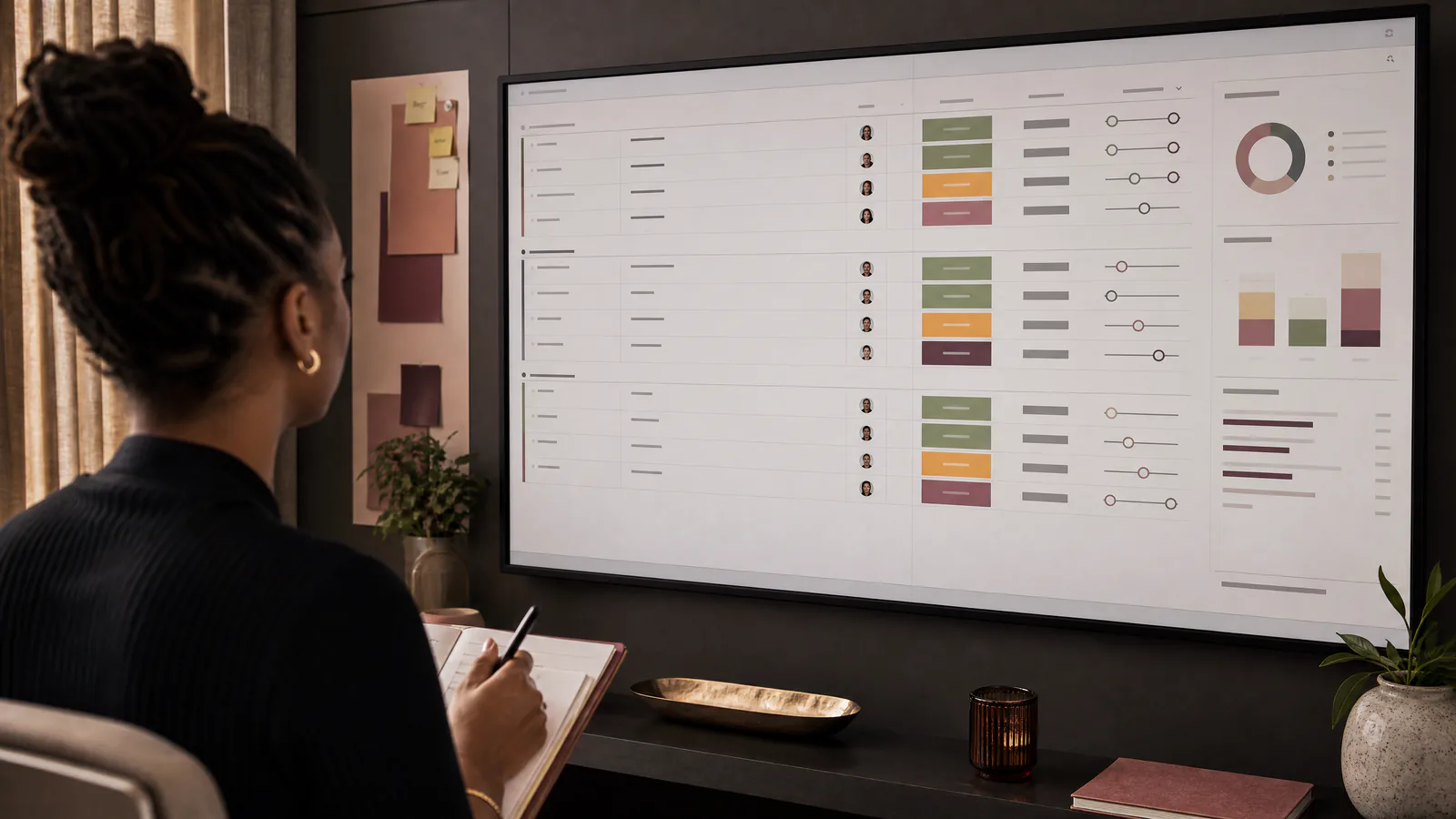
Creative project management for marketing teams is not about adding layers. I use it to make the next useful decision clear: what we are making, who needs to act, what good looks like, and how the work will be released and handed over.
A marketing team can have a strong idea, a capable designer and a deadline that matters—and still lose time to a vague request, a silent approver, a missing source file or feedback arriving from six directions. I do not treat that as a people problem. I treat it as a delivery-design problem.
Creative project management gives a marketing team a shared route from a request to an approved asset. Creative operations gives that route repeatable shape across requests, people, systems and assets. Both matter because neither a beautiful idea nor a sophisticated tool can decide what has been agreed, resolve a contradiction or prepare a customer to use the work after release.
The principle is simple: I make the work easy to understand before I ask people to make it fast. That means using enough structure to protect creative judgement, not replacing it with administration. Project Management Institute describes the same balance as enabling creative effectiveness rather than chasing efficiency for its own sake, while Adobe frames creative operations as the people, process and resources that support the whole workflow.Project Management Institute Adobe
The short answer: the eight moves I make
I use a connected creative workflow rather than a long list of disconnected tasks. I start with the outcome, convert it into a workable path, give decisions a home, prepare the material the team needs, create focused review moments, surface blockers early, hand over the approved result and learn from the delivery.
This is useful whether the work is a campaign, a website page, a content series, a multimedia production, a presentation or a single high-stakes asset. The scale changes; the need for clarity does not.
1. I turn a request into a brief someone can actually use
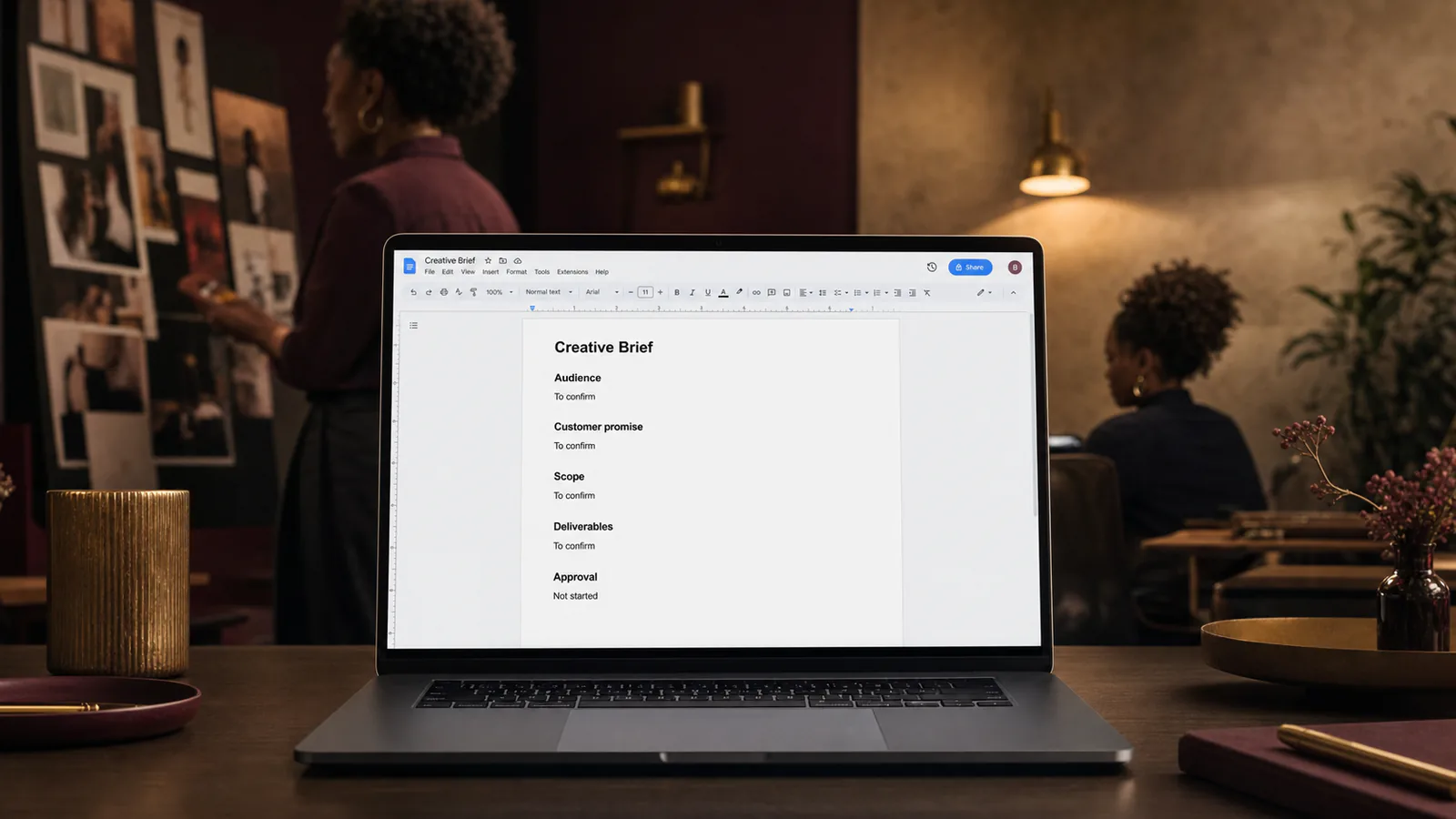
A good brief is not a large document. It is a usable agreement. I start by recording the audience, the change the work should create, the business context, the required deliverables, the deadline, the constraints and the evidence that will tell us the work is ready.
I ask the question that protects the rest of the workflow: what will a real person be able to do, understand or decide when this is complete? It stops the team from treating a format—“a video”, “a landing page” or “some social assets”—as the outcome in itself.
This is the first place where a creative project manager adds value. I can translate a broad ambition into scope without flattening the idea. The brief remains open enough for good creative choices, but specific enough that a contributor does not have to guess which problem they are solving.

2. I show the path from outcome to deliverables
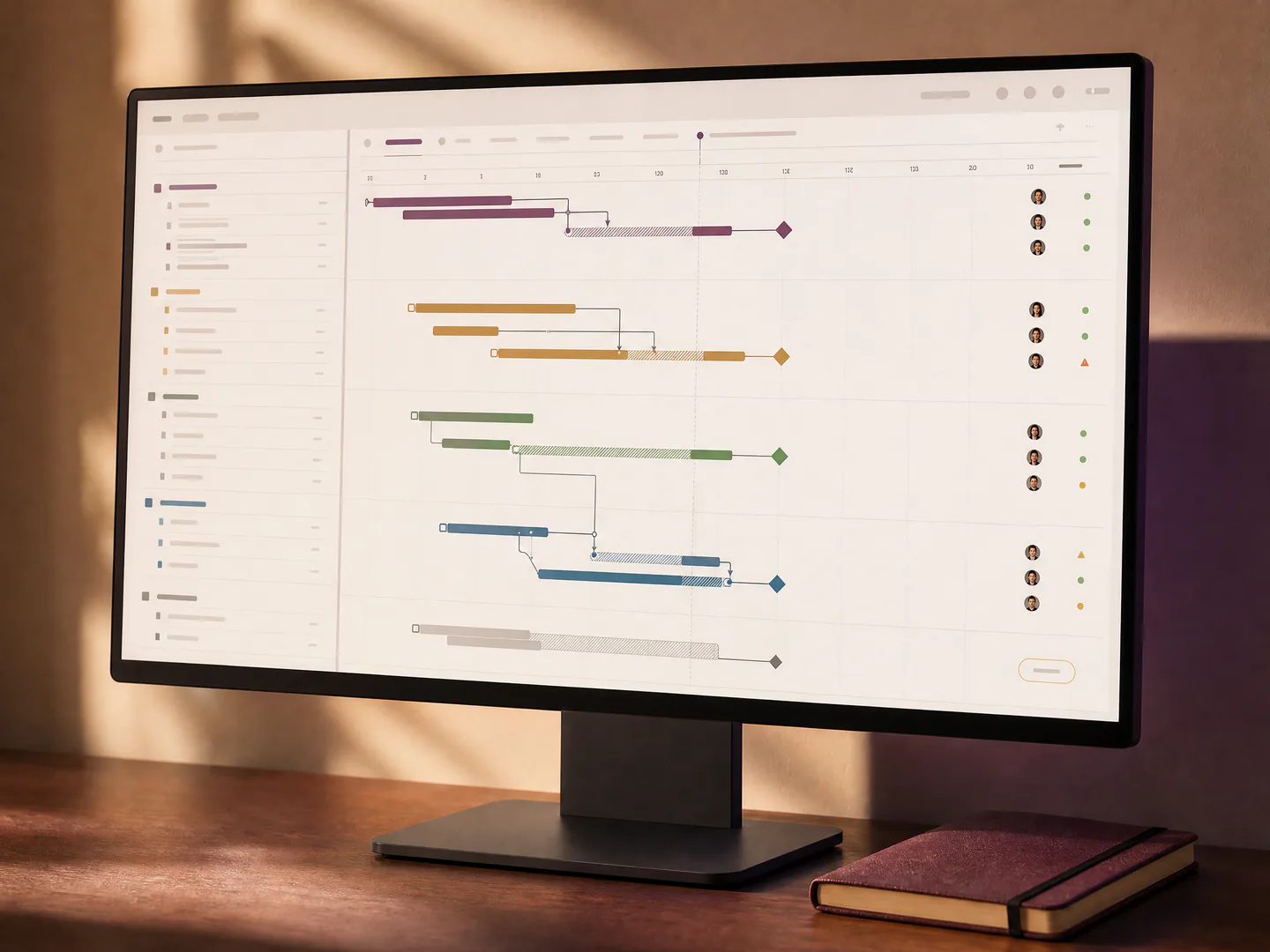
Once the brief is clear, I map the work into visible deliverables, milestones, dependencies, review points and owners. I distinguish what is required for release from what would be useful if time allows. I also show the effect of a change before it quietly becomes additional work.
This is not a promise that every creative decision can be predicted at the beginning. It is a way of making the next decision easier. A designer should know what is needed before the next review. A stakeholder should know when their input matters. A marketing lead should see what might put the release date at risk.
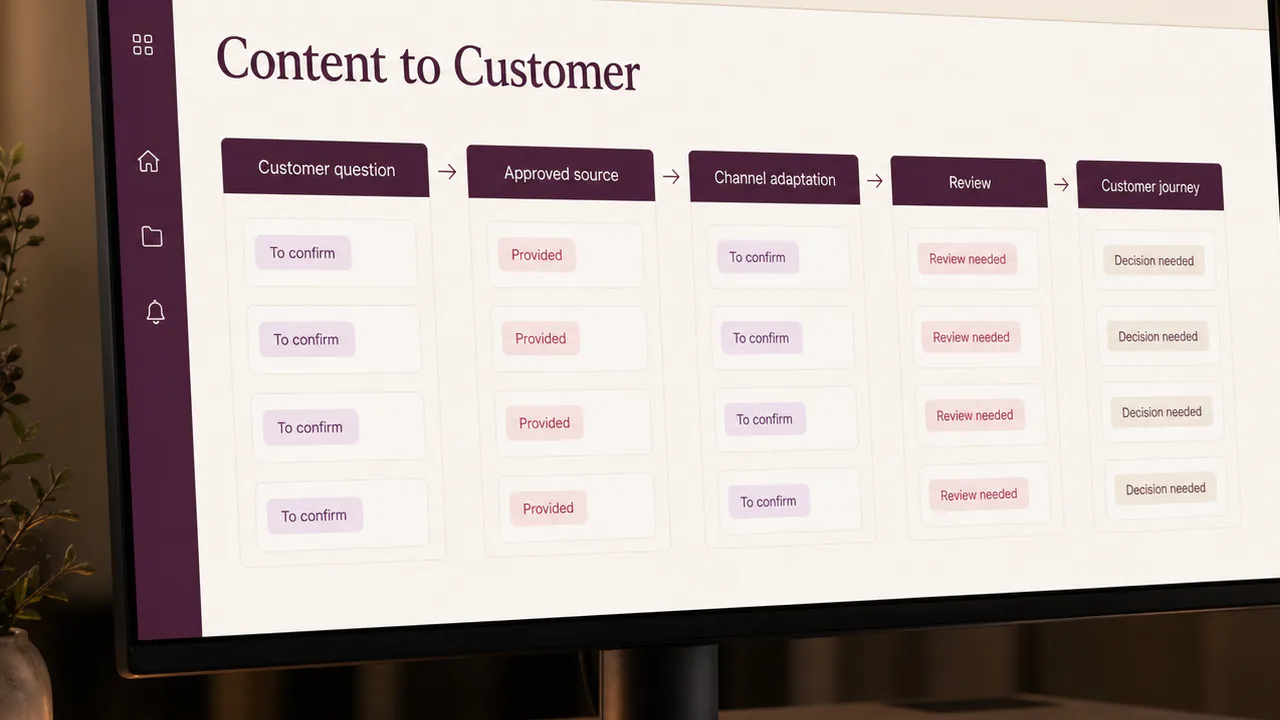
A practical content production workflow follows the same logic: idea, brief, asset gathering, planning, creation, review, sign-off and publication. The exact team and tools can vary, but a connected sequence gives the work somewhere to go.CELUM
3. I name the people who make decisions
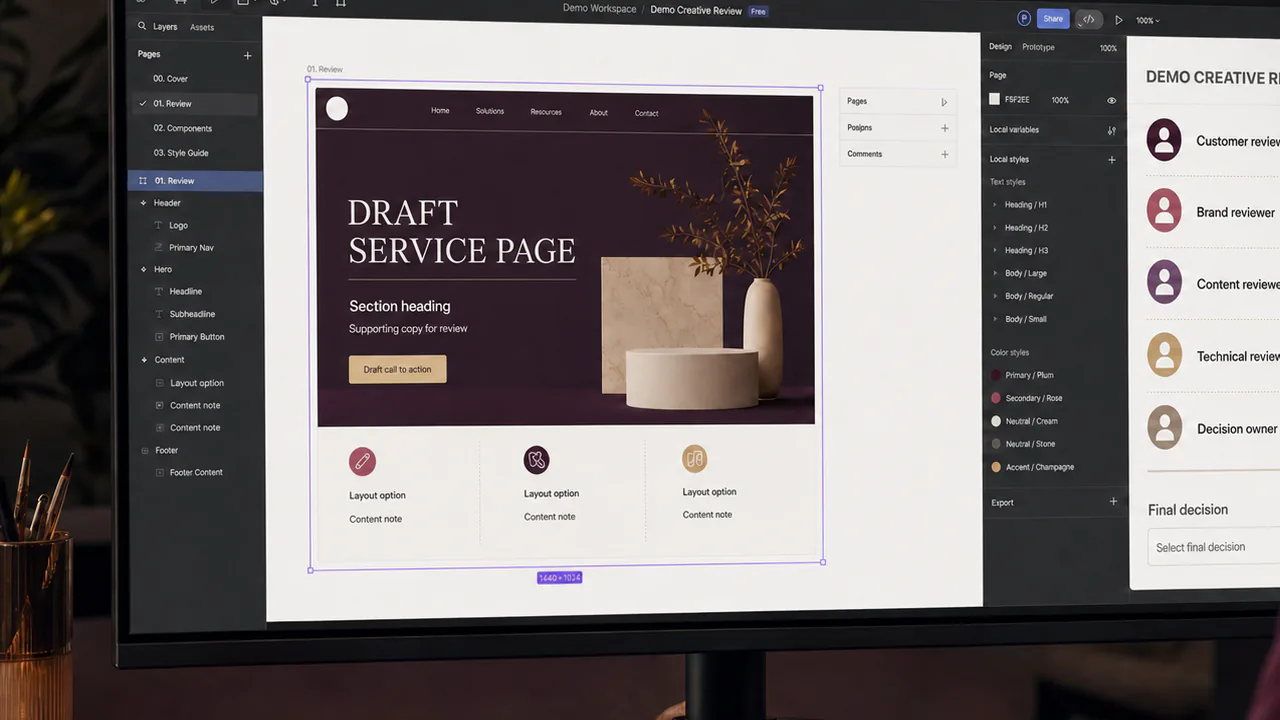
A marketing approval process becomes slow when everybody is invited to comment but nobody is clearly accountable for the final decision. I define who creates, who checks, who advises, who approves and who simply needs an update. The detail can be small, but the distinction is important.
I also agree the decision criteria before review begins. For example, a reviewer may be checking audience relevance, brand alignment, accuracy, legal requirements, accessibility, channel fit or readiness to publish. When a group understands its role, feedback becomes more useful and less repetitive.
This protects the team from the familiar pattern of scattered notes in chat, email and documents. A response is not a decision simply because it arrived first. I bring the feedback together, identify the question that needs resolution and make the selected route visible to the people affected.

4. I get the right information and assets ready before production
Creative work gathers momentum when contributors can find what they need. Before execution begins, I organise the approved facts, source material, brand guidance, format requirements, rights information, prior assets and working locations. If something important is missing, I record the owner and the date it is needed rather than letting the team discover the gap at final review.
This is where my multimedia understanding supports project delivery. A good plan accounts for the actual materials: images, video, copy, source files, dimensions, version history, permissions and channel requirements. The creative workflow should not force an editor, designer or producer to reconstruct the context from fragments.
When a team has to remake an asset because the correct version cannot be found, the problem is rarely talent. It is usually that the handoff between information and production was not designed well enough.
5. I keep review rounds small, specific and time-bound
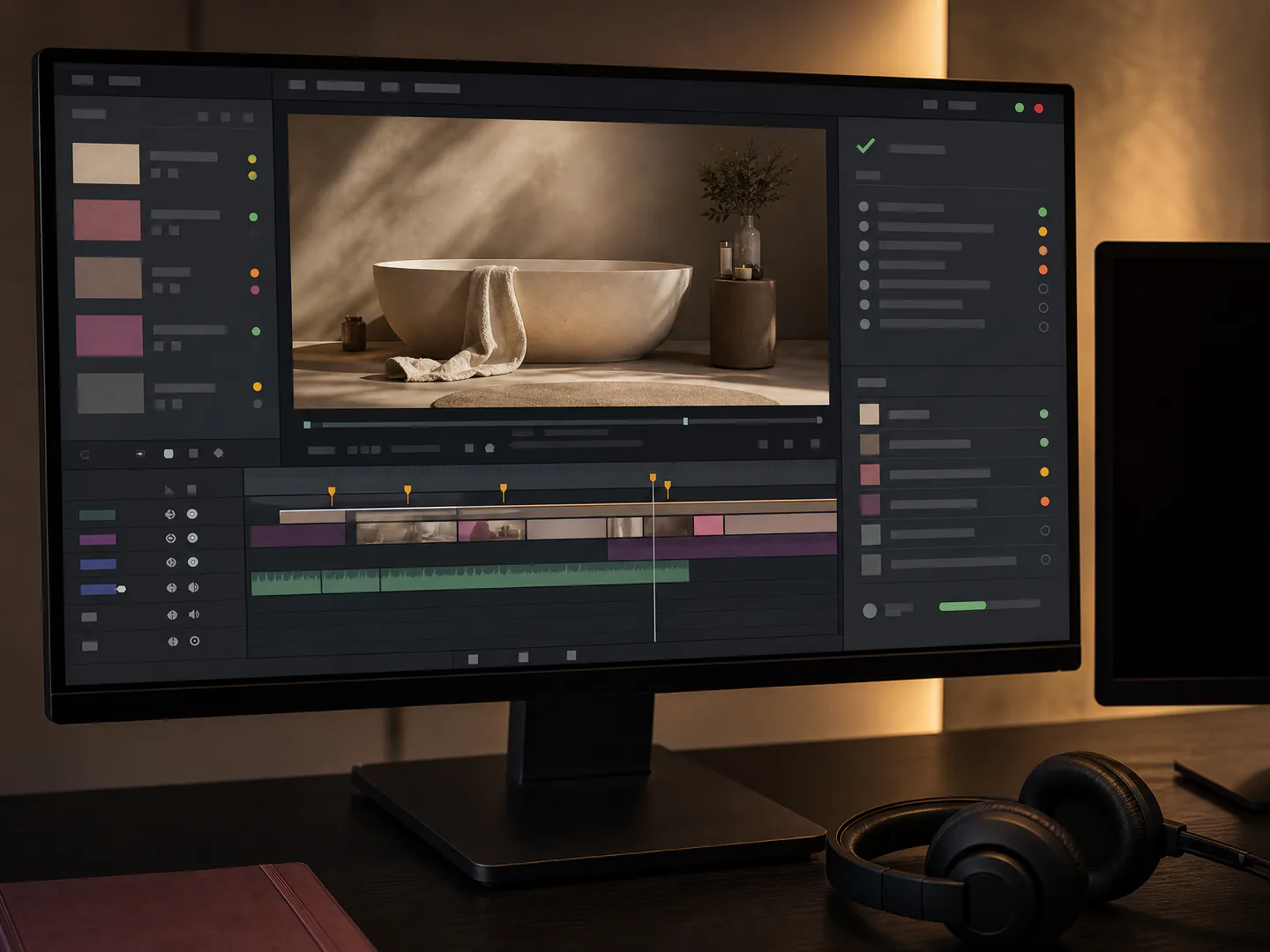
Creative review is useful when it answers a defined question. I do not ask every stakeholder to judge every part of a draft at once. Instead, I set a review focus: is the route right, is the message accurate, is the design ready, are the files technically sound, or is the work approved for release?
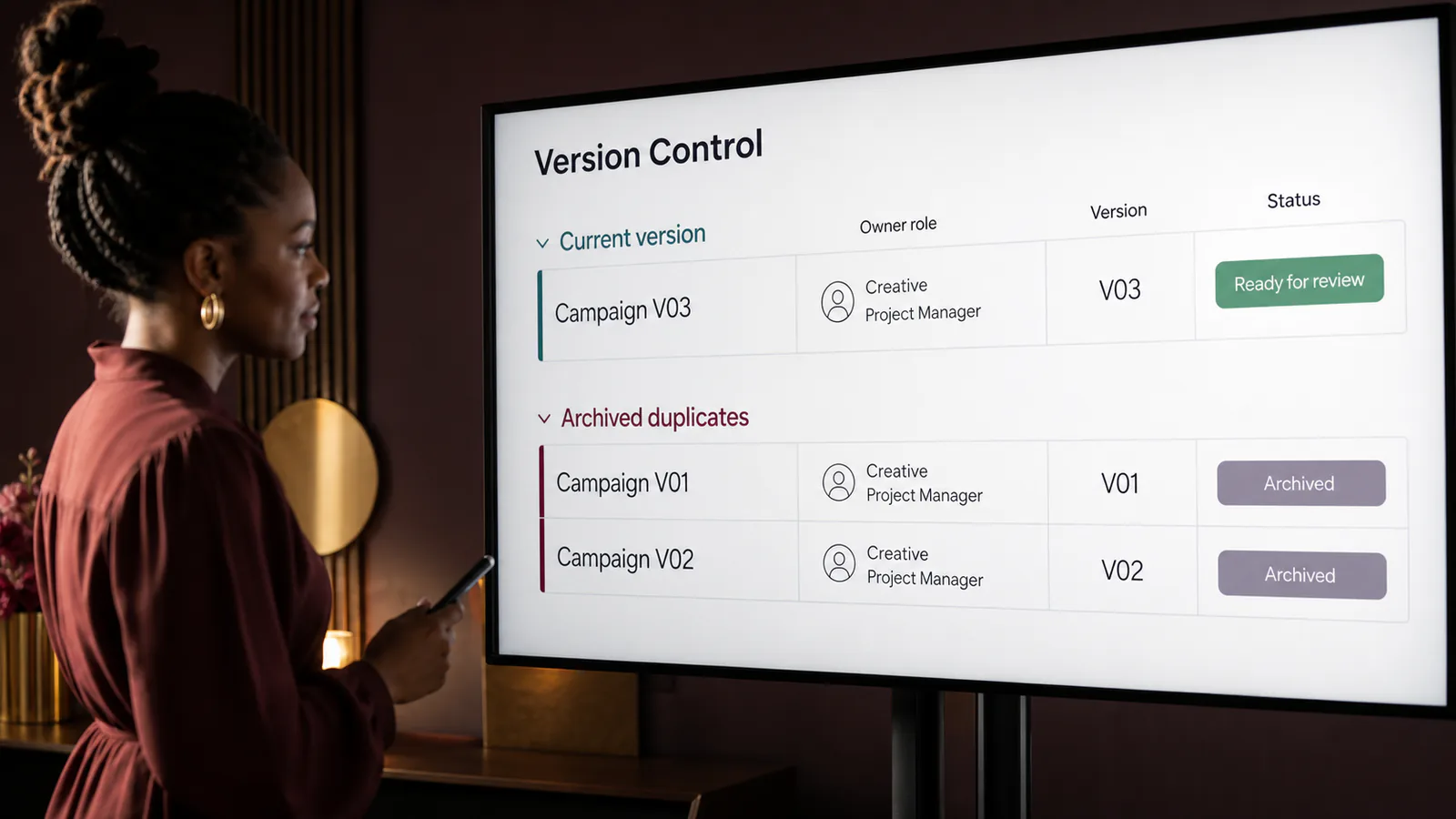
I protect version status as carefully as I protect the deadline. The team needs to know which file is current, what changed, which comments are resolved and which decision remains open. That is how I keep review from turning into an endless series of preference statements.
For marketing teams, it also helps to agree a response route. Feedback needs a shared place, a named owner and a decision time. That is not restrictive; it gives reviewers confidence that their input will be considered in context rather than being lost in an inbox.
6. I make blockers visible while there is still time to act
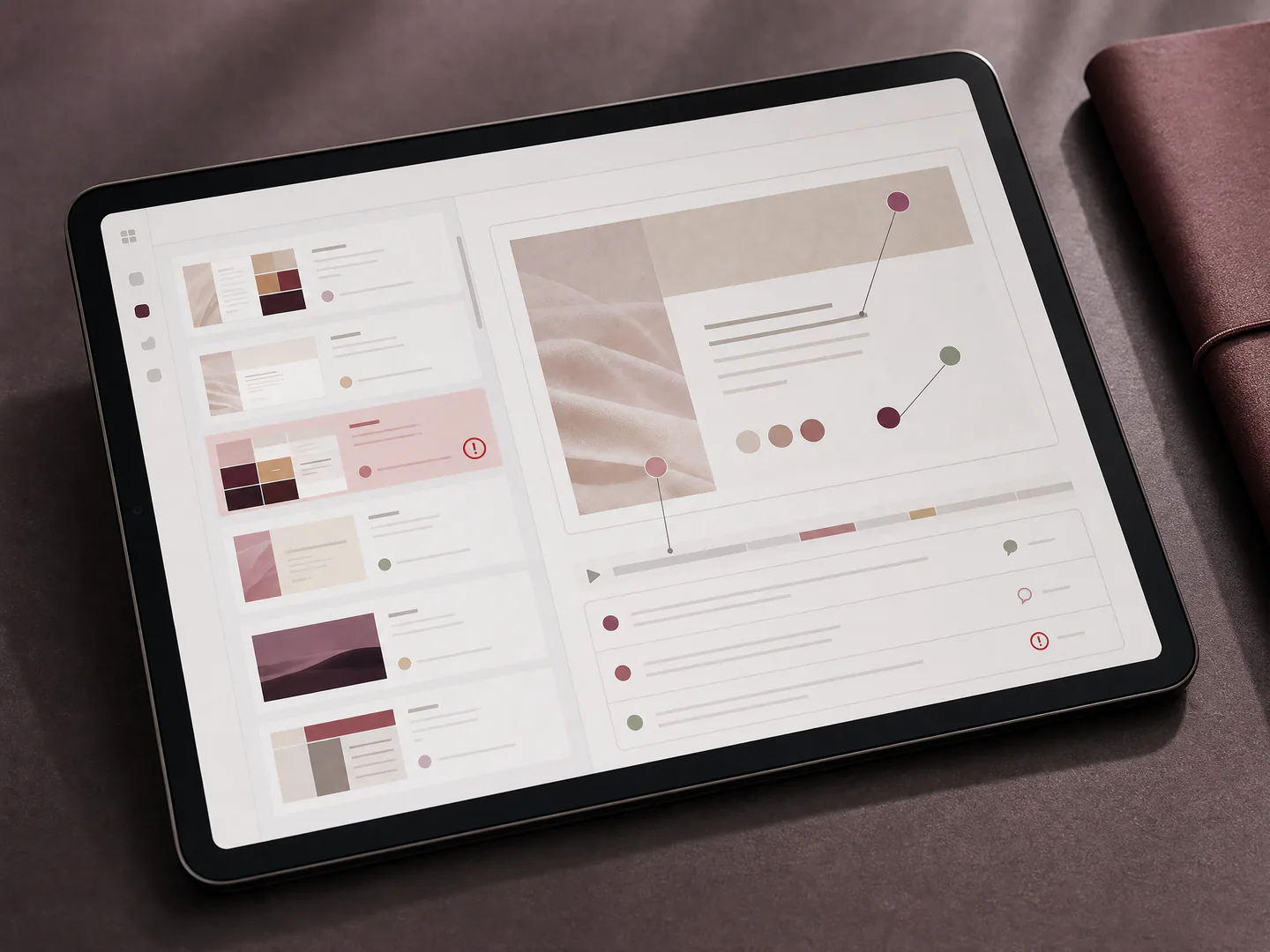
A delivery plan is not useful if it only records completed tasks. I keep the live questions visible: a missing decision, a dependency, a capacity issue, a late asset, a technical constraint or a change in the intended audience. I pair the blocker with an owner and the next decision required.
That changes the conversation. Instead of “we are delayed”, the team can see what needs to happen for work to move. Instead of blaming the contributor closest to the task, the project can address the condition that is preventing progress.
This is also where creative operations becomes a practical service rather than a label. I look for the repeated point of friction, then adjust the route, brief, approval structure or asset process that produced it. The aim is a workflow that gets clearer as the team uses it.

7. I make handover part of the work, not an afterthought
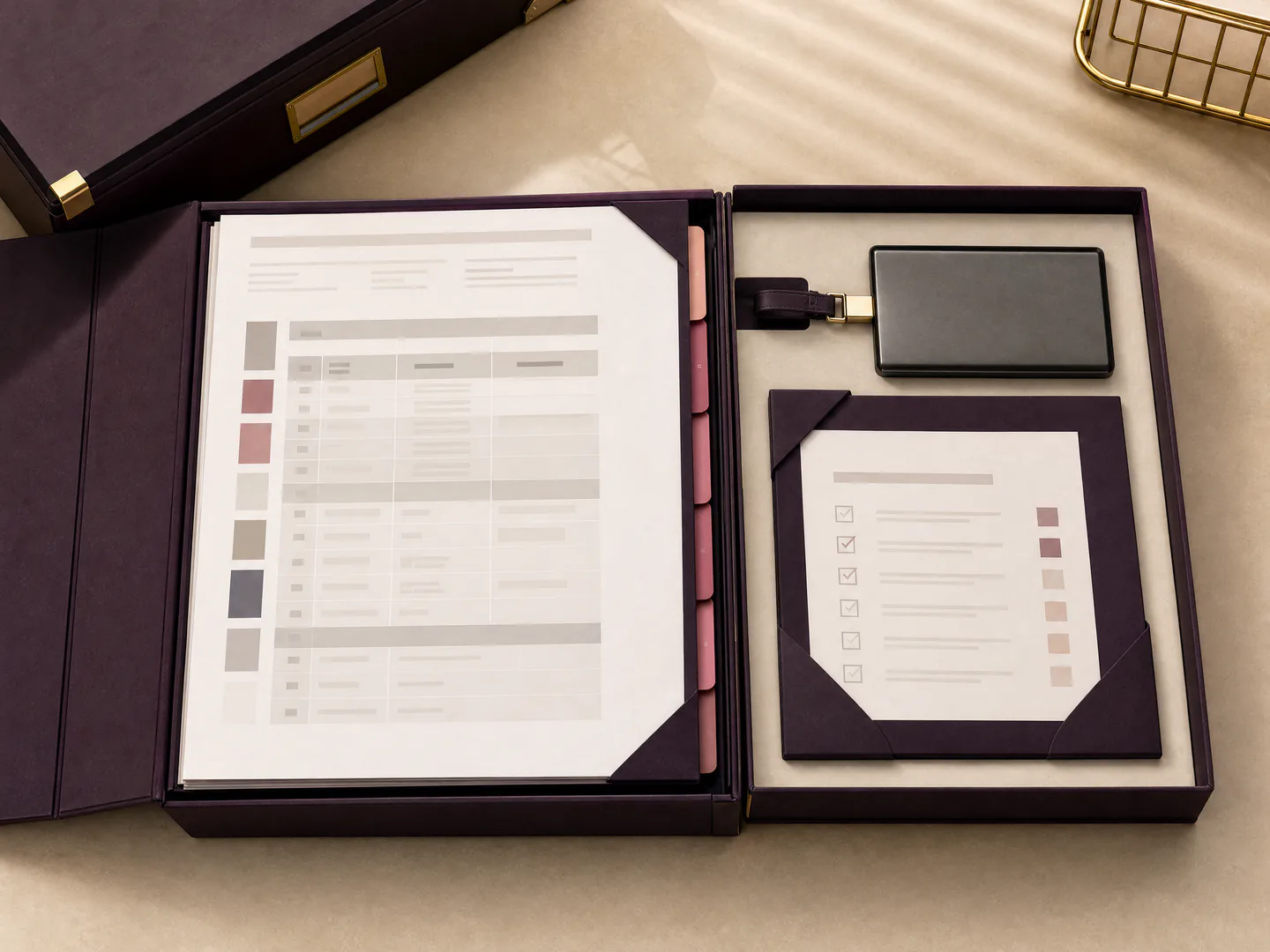
A project is not complete when the final file is sent. I close the work with an organised handover: the approved version, usable source assets, usage and rights notes where needed, the decision record, quality checks, open items, owners and the route for future maintenance.
This matters for an internal marketing team as much as it does for a customer. Someone should be able to understand what was approved, where the assets live and what needs attention next without relying on the memory of the person who made the work.
A dependable handover is one of the clearest signals of creative project management that respects the next person in the chain. It turns a finished deliverable into something the organisation can actually use.
8. I use the project to improve the next project
After release, I capture what the team should keep, change or prepare earlier next time. I look for the practical lesson: a brief question that prevented confusion, a template that made approval easier, an asset rule that protected quality, a dependency that repeatedly caused delay, or a better place to store the final material.
This is how a creative workflow becomes useful without becoming rigid. It holds on to the guardrails that helped, removes the steps that created no value and gives the team more reliable conditions for the next piece of work.
For companies that need support with a campaign, content programme, digital product or multimedia delivery, this is the contribution I make: I bring the moving parts into a clear, human delivery process. You can see the wider approach in my creative project management service, creative operations support and multimedia content work.

Questions I hear from marketing teams
How do I improve a creative workflow without adding bureaucracy?
Improve the workflow by removing uncertainty, not by adding forms. I begin with a usable brief, a named decision-maker, a visible review route, an owner for each blocker and an organised handover. Each step should help somebody make the next useful decision; if it does not, I simplify or remove it.
What should be included in a creative project brief?
A creative project brief should include the audience, intended outcome, business context, required deliverables, deadline, constraints, decision-makers, available assets and the evidence that will show the work is ready. It should give contributors enough context to make sound choices without asking them to guess the purpose of the work.
Who should approve marketing content?
Marketing content should be approved by the person accountable for the decision, with input from the people responsible for the relevant checks such as brand, accuracy, legal requirements, accessibility or channel fit. I make the approval criteria and final version explicit so that a collection of comments is not mistaken for sign-off.
What belongs in a project handover?
A project handover should include the approved version, source files and assets, usage or rights notes where needed, decision record, quality checks, open items, owners and the route for future maintenance. The handover should allow the next person to understand and use the result without depending on someone’s memory.
Make the work easier to move
Creative work needs room for judgement. A strong marketing workflow does not take that room away; it protects it by making the purpose, route and decision points clear.
If a project is already moving but the brief, approvals, content production or handover feel fragmented, I can help make the delivery process visible and workable. Start with the intended audience, deadline, available assets, stakeholders and the part of the workflow that is currently slowing the work down.
Start a project conversation →
Sources and related reading
- Google Search Central — Optimizing your website for generative AI features — Clear technical structure, original people-first material and relevant visual support remain the appropriate route for AI-search visibility.
- Bing Webmaster Guidelines — Discoverable, accurate, focused and well-structured content supports eligibility for search, Copilot grounding and citations.
- Project Management Institute — Project Management for Creatives — Creative teams need practical structure that supports, rather than stifles, effective work.
- Adobe — Creative operations guide — Creative operations connects process, people and resources across the workflow.
- CELUM — Content production process — A content-production workflow commonly runs from goals and brief through creation, review, sign-off and publication.