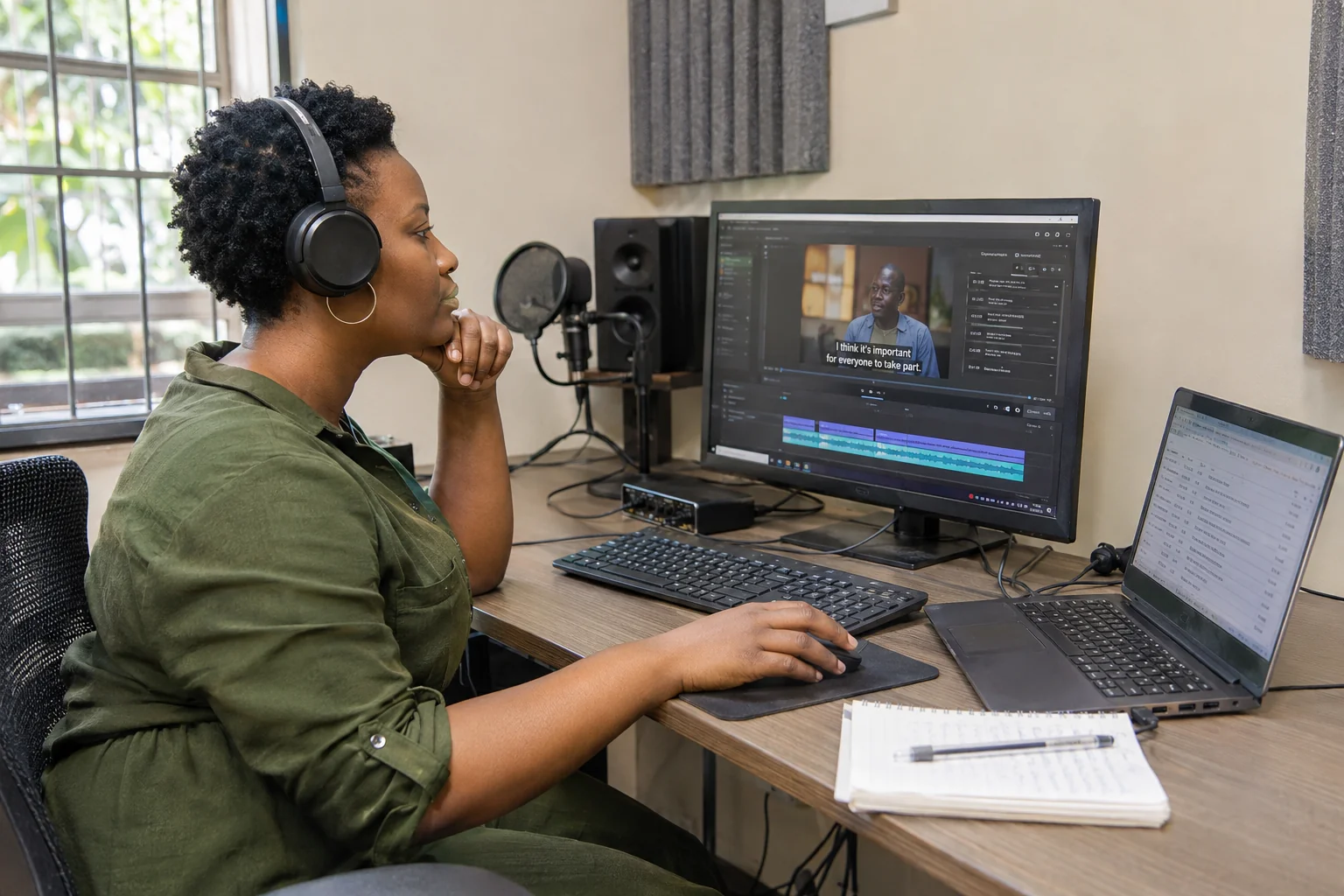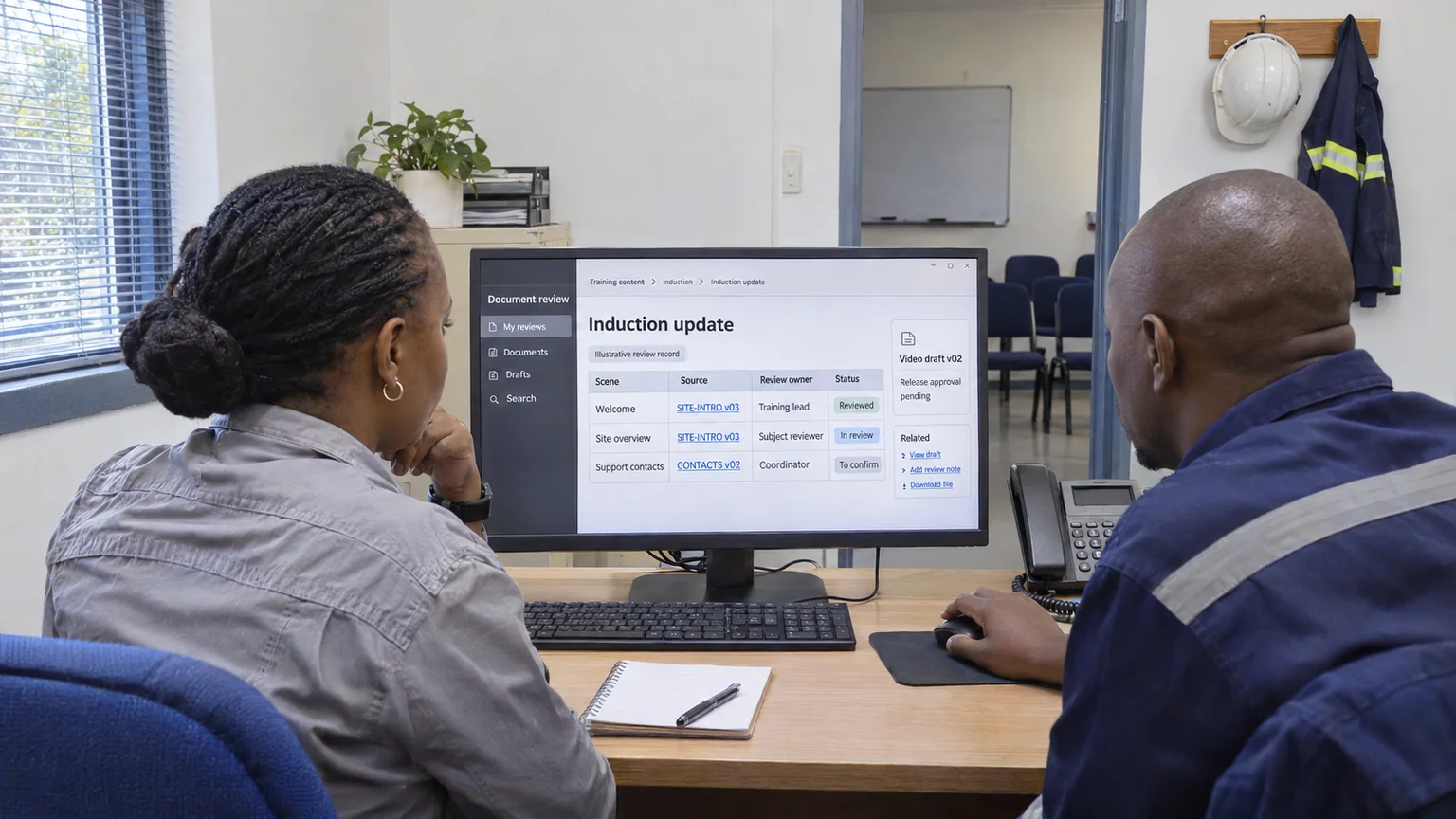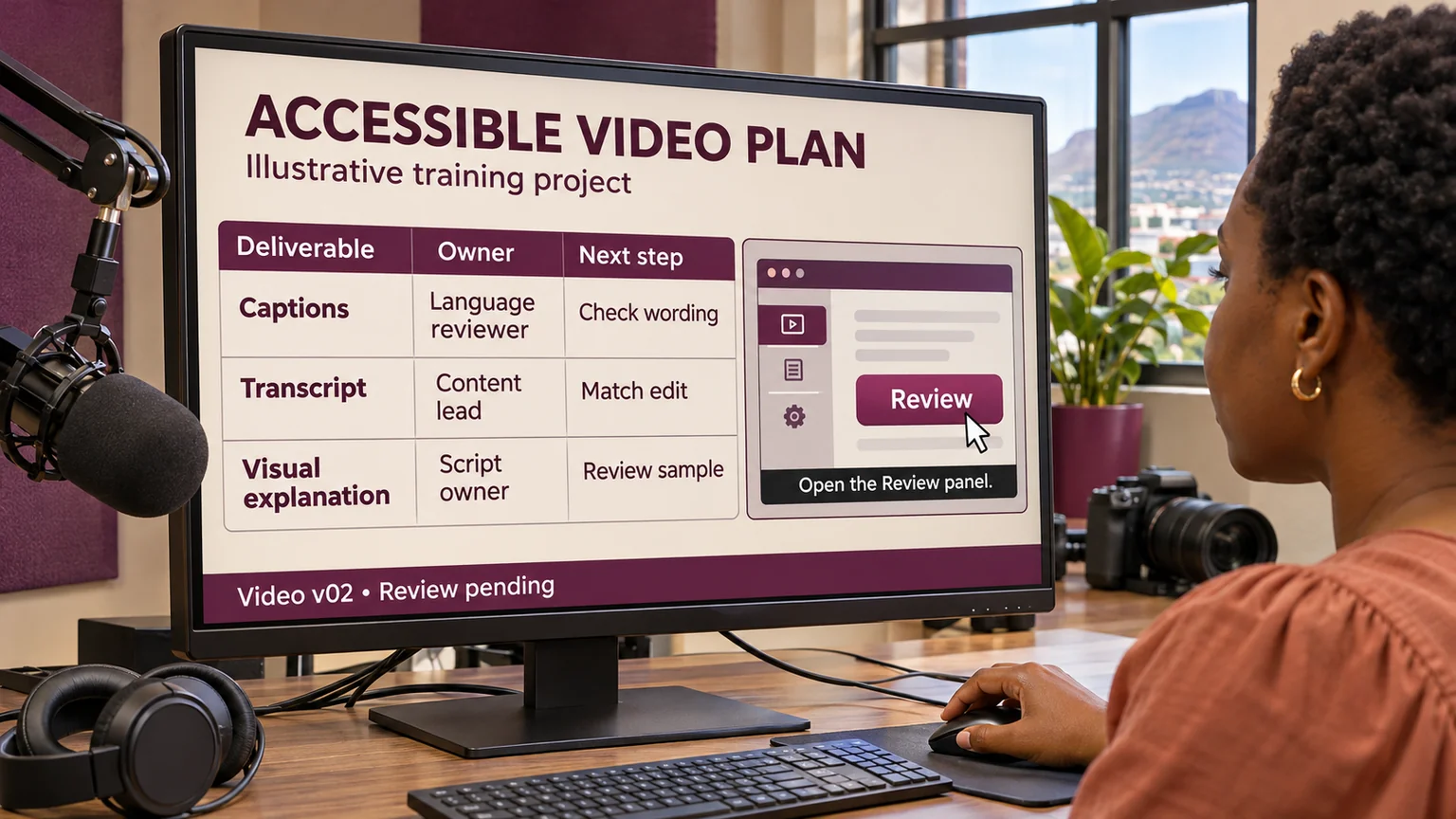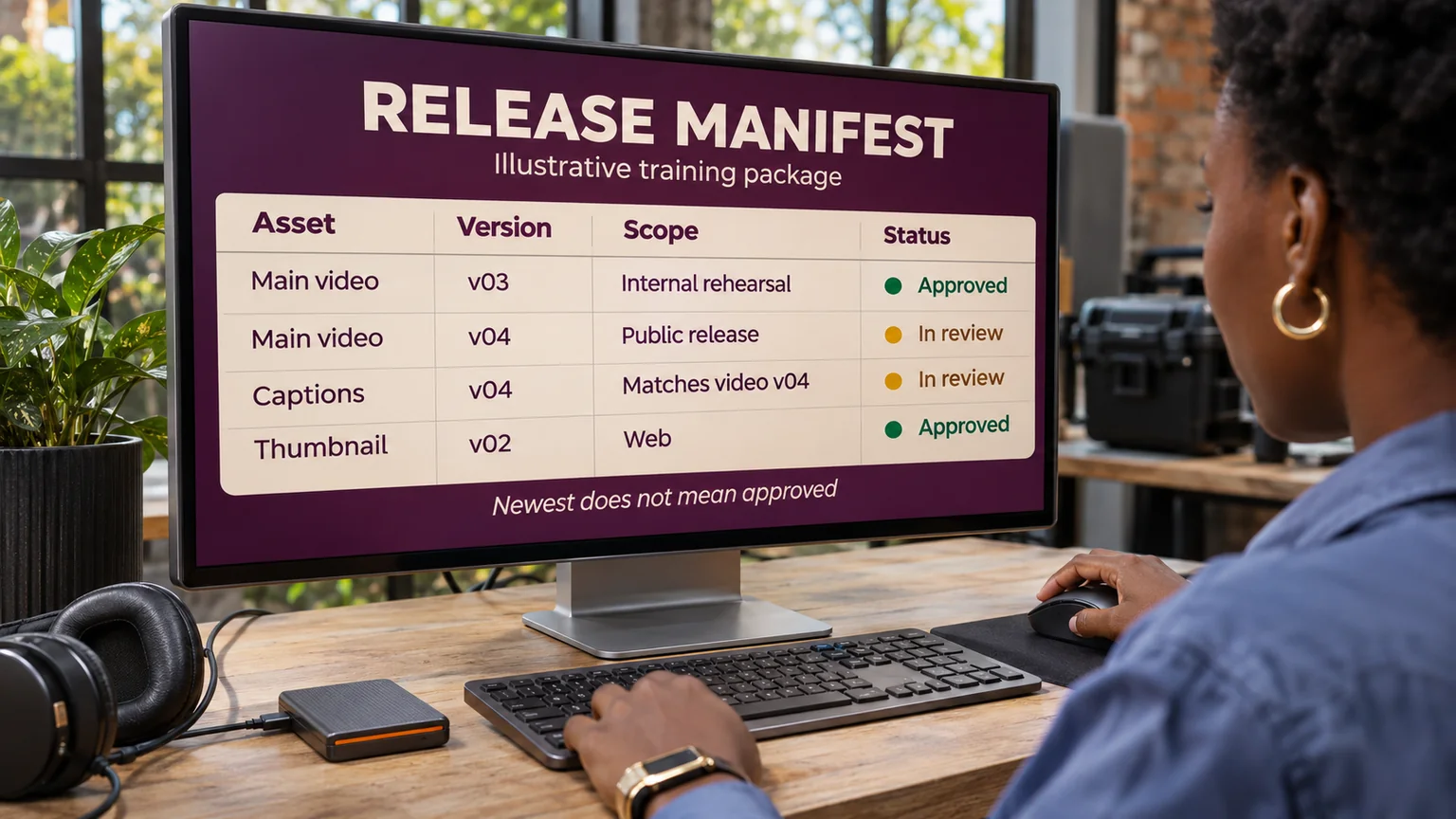
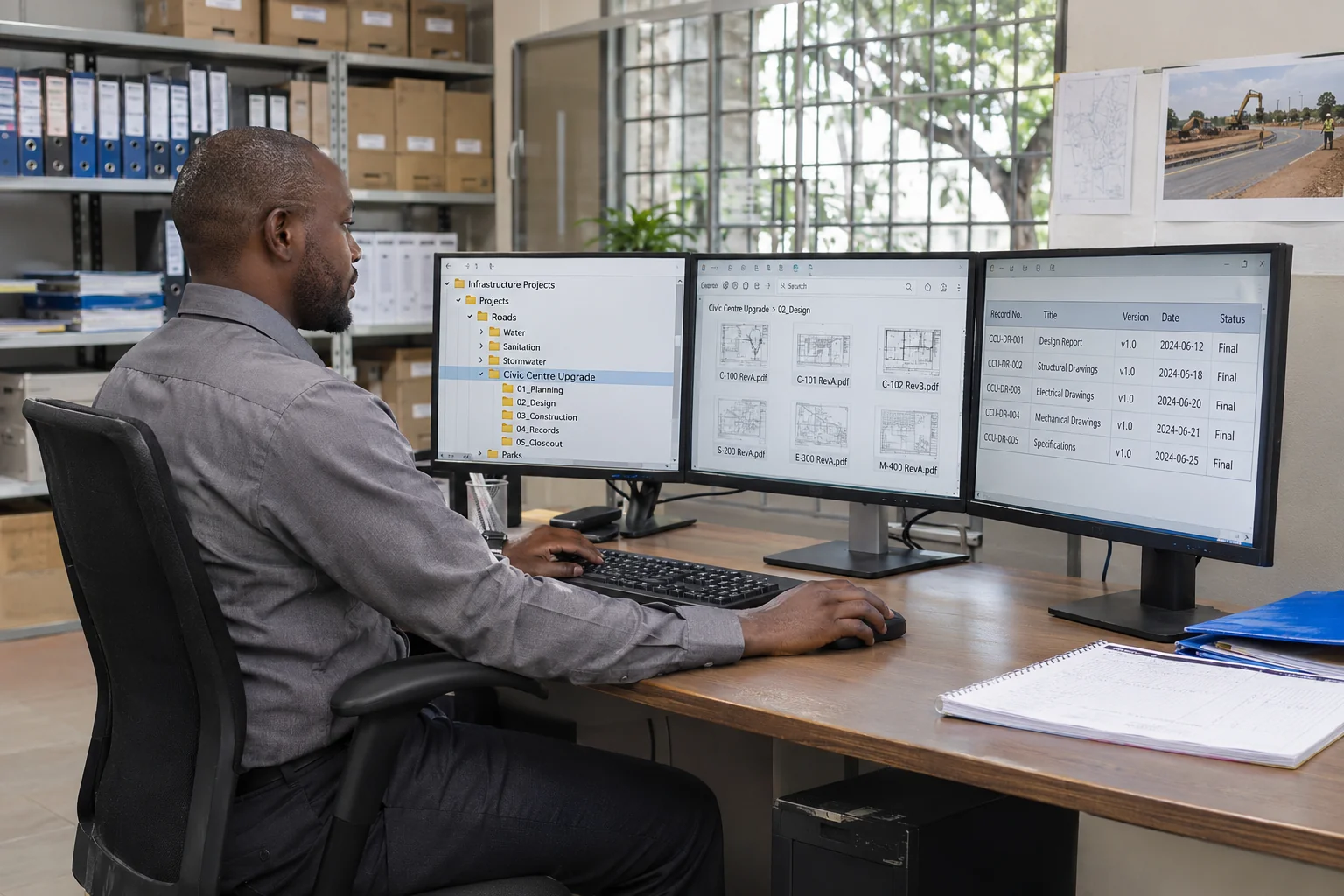
The first useful handover from a shoot is not a folder called footage. I want a record that tells the editor what arrived, where it came from and which questions remain unresolved. Otherwise, a missing interview can stay hidden until the assembly needs it.
Imagine a fictional corporate training shoot with two cameras and a separate audio recorder. The production team has captured an interview and several workplace sequences. My coordination task is to connect that material to the planned deliverables without confusing a successful copy with an accepted edit.
I identify each source before combining anything
I would give each incoming card or source package an identifier and record its camera or recorder, recording day and responsible operator. The identifier belongs in the intake register, alongside the destination and transfer status. I would preserve the source structure needed by the agreed editing workflow.

Two cameras may create similar filenames. I would not solve that by renaming files casually inside an unfamiliar camera package. The editor or media specialist should confirm the naming and import method. My register can distinguish the packages without changing source material in a way that breaks its relationships.
I separate copying from checking
A transfer progress bar reaching its end tells me that a process reported completion. I would still ask for the agreed verification evidence and record who inspected it. The production's storage plan should define the copies required, their locations and the person authorised to release the original media for reuse.
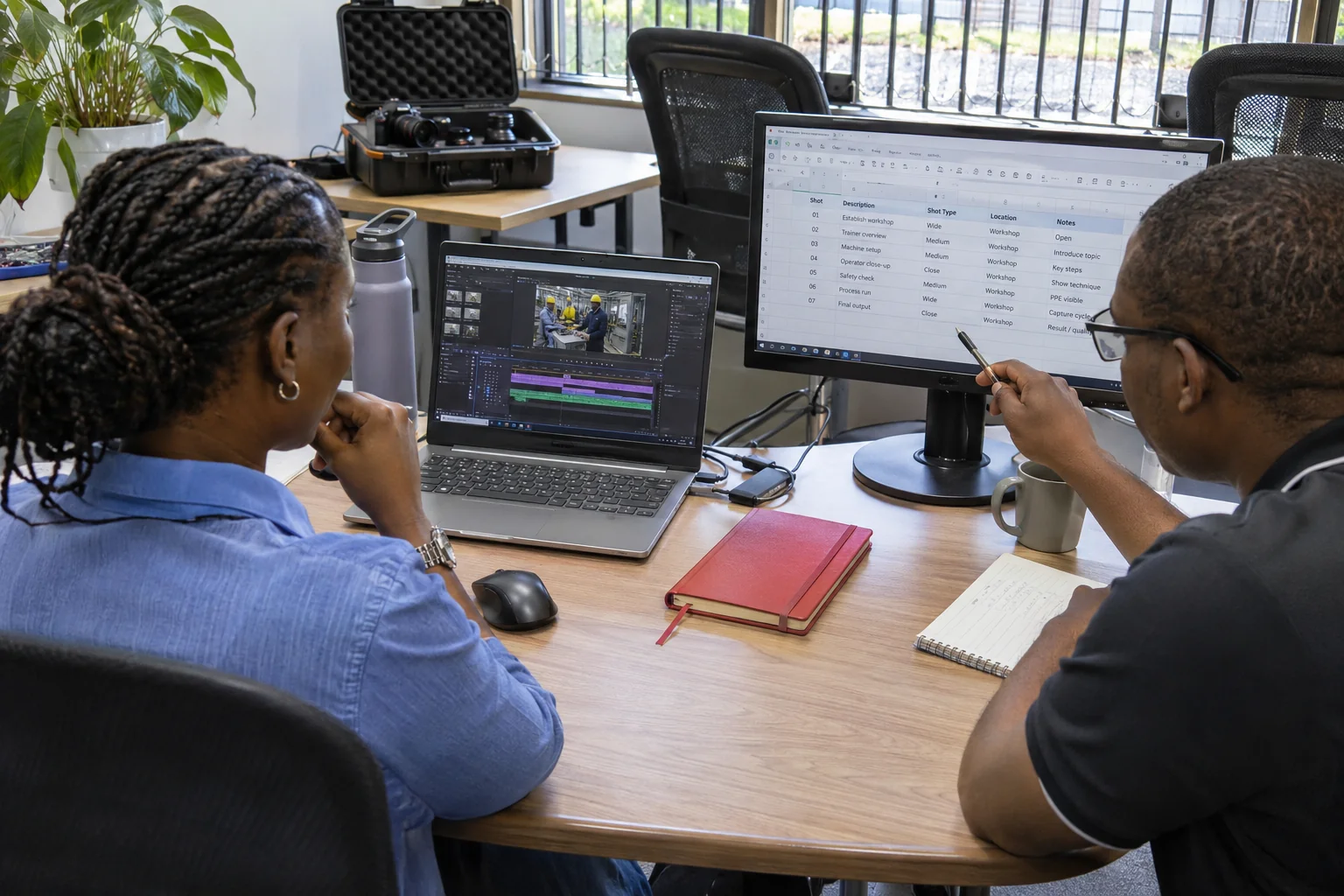
I would keep those decisions separate from my edit-readiness status. A verified copy may still contain an unreadable clip or an incomplete sequence. Conversely, a sample clip playing successfully does not prove that every file transferred correctly. The register needs room for both transfer evidence and content observations.
I distinguish originals from working derivatives
Adobe's Premiere documentation distinguishes ingest from proxy workflows: proxies are working media used to make editing more manageable. That distinction is useful when naming what has actually been delivered to an editor. Adobe ingest and proxy workflows.
I would label a proxy package as a proxy package and preserve its relationship to the original source. A smaller file that is convenient to review should not silently become the assumed source for final delivery. The technical owner should confirm how the project reconnects to the intended media before export.

I reconcile the material with the shot plan
For the fictional shoot, my intake check might show that the interview and general workplace views arrived, but the close view of the demonstration did not. I would record that gap against the shot requirement rather than simply count the number of clips received.
The next action could be to locate another card, ask the operator for clarification or agree an alternative with the content owner. I would avoid declaring the footage complete while that question remains open. The editor needs to know whether a missing item is being recovered or has been removed from scope.
I make the edit handover usable
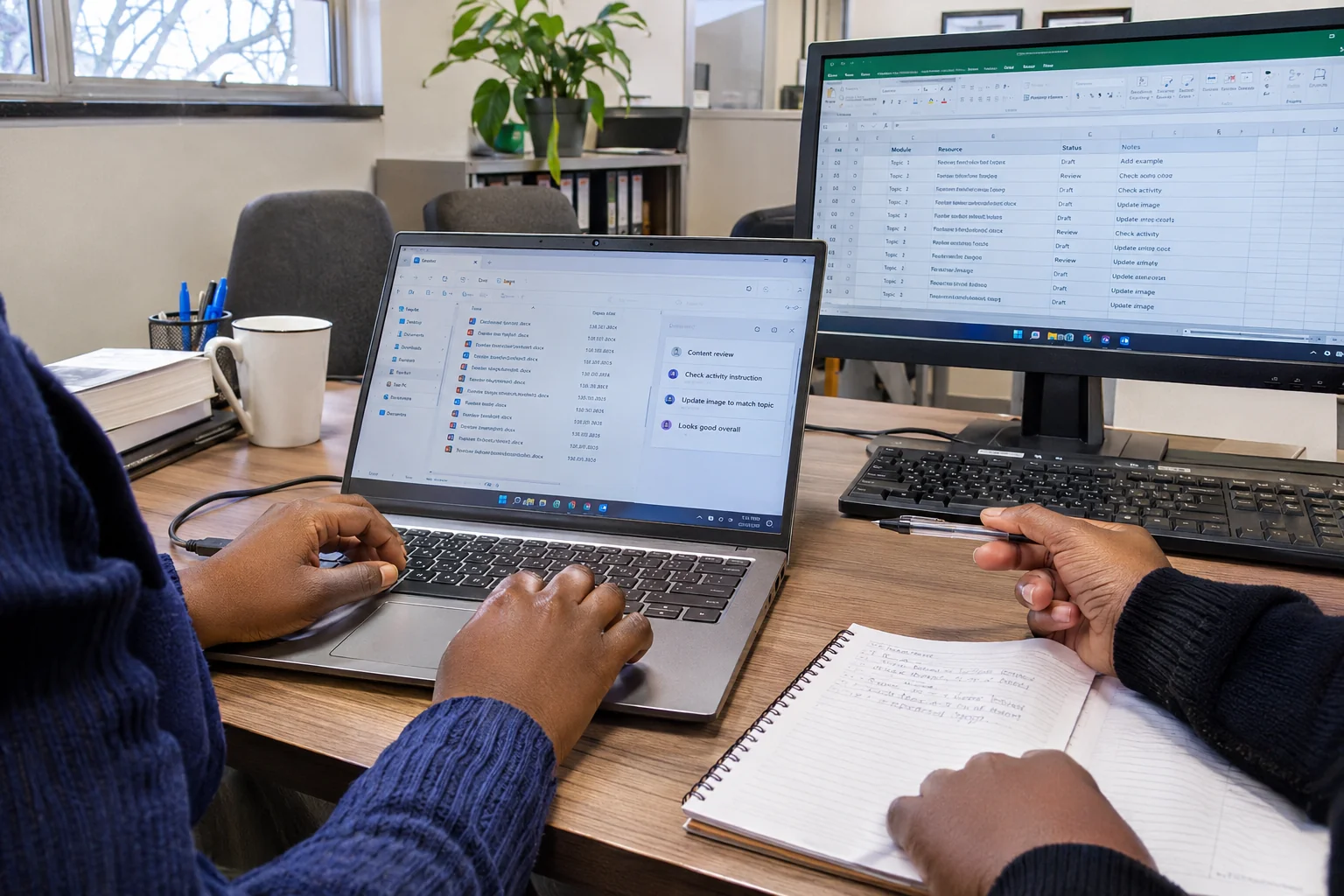
My handover would point to the current source locations, the intake register, the agreed brief and any notes that materially affect the edit. I would identify the interviewee's approved name or role only from the permitted production record, not from a guess based on a filename.
I would also distinguish a useful production note from an instruction to publish. An operator's favourite take is a suggestion; it does not establish that every statement in that take is accepted. Content review still needs its own owner and versioned decision.
I leave the next person a clear starting point

Before calling intake ready, I would ask whether the editor can locate the intended material and understand the unresolved items. A short acknowledgement from that person is more useful than a large folder being uploaded without context.
The record should make recovery possible later. Someone looking for the original interview ought to be able to trace it from the edit package to its source identifier and transfer evidence. That is the practical value I want from an intake process: less guessing at the point where creative work needs dependable material.
Research and example note
Prepared for 9 November 2026. Adobe's documentation, updated January 2026, supplies the limited ingest/proxy distinction; the intake register and scenario are original proposals. This is not a data-recovery procedure. Storage verification and original-media release remain decisions for the responsible production specialists.